The
RHEA
project
TORWASH®
concepts & future
Background
The RHEA project was initiated by the plan of water authorities to do more than just treatment of wastewater, but also to produce energy and resources. Currently, municipal wastewater treatment plants in The Netherlands produce about 1.5 million tons of sewage sludge annually, from which only a limited amount of biogas is generated. The remaining sludge is incinerated at a cost of approximately €150 million, with added chemicals and transport by truck contributing to fossil CO2 emissions. There are opportunities to produce significantly more bioenergy and resources from sewage sludge, contributing to the circular economy and reducing sludge processing costs at the same time.
History
Successful pilot tests with a TORWASH® system, capable of processing 25 kg of sludge per hour, were conducted at the Almere wastewater treatment plant of the Zuiderzeeland Water Board in 2018 and 2019. The pilot demonstrated that sludge could be converted into a usable solid biofuel, that phosphate could be recovered, and that the treatment plant has the potential to reduce CO2 emissions by 50%. The tests were conducted as part of the TKI-BBEG EnCORE project.
Objective
The project participants of the EnCORE project wanted to further scale-up the TORWASH® technology for sludge dewatering to a capacity of 0.5 ton per hour in a new project. The goal of the RHEA project was to demonstrate the TORWASH® technology at a wastewater treatment plant, producing renewable fuel on a 20 times larger scale. Additionally, the project aimed to demonstrate integration of the technology into an existing water treatment plant, quantify the recovery of phosphate, and verify whether the operational costs of sludge processing are indeed 80% lower than current practice, as shown in the previous project.
Activities
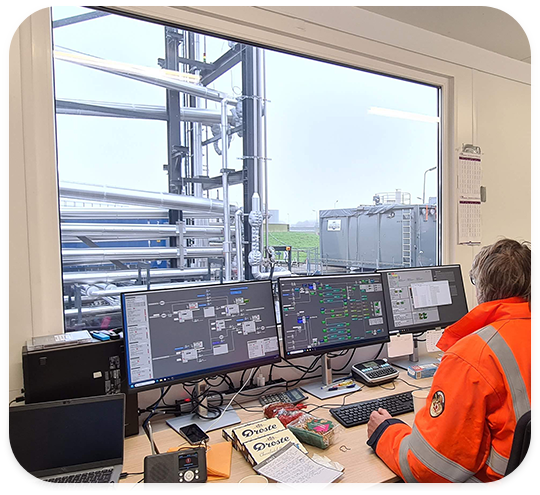
The project involved designing, constructing, and operating a TORWASH® system with a capacity of 500 kilograms per hour, converting sludge into solid biofuel and biogas at the Land van Cuijk wastewater treatment plant (jurisdiction of the Aa en Maas Water Authority). An extensive testing and optimization program, including duration tests, was conducted, as well as investigation of other types of sludge, such as sludge produced at a wastewater treatment plant of a slaughterhouse and a pulp and paper factory.
Outcomes
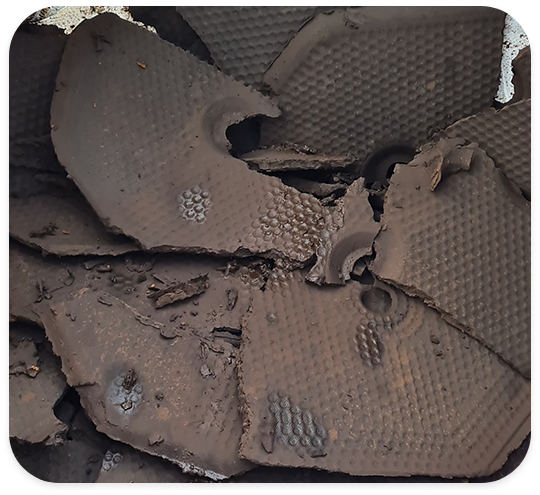
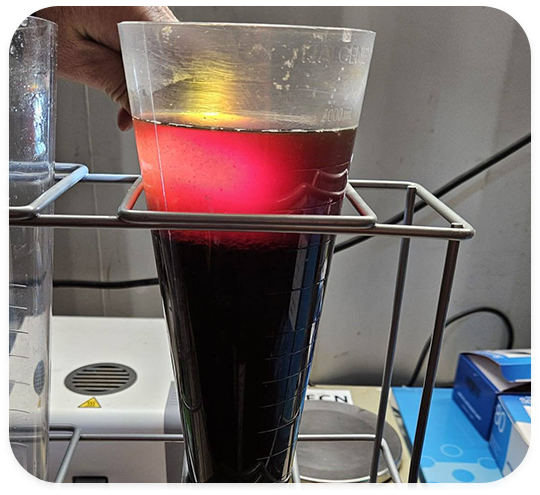
This project successfully delivered a working TORWASH® system producing 10 tons of press cake.Filtrate water was also produced for pilot-scale testing of the anaerobic treatment and phosphorus recovery. The plant ran for 2,500 operational hours using various municipal and industrial sludge types. This was the final stage before commercial-scale demonstration and laid the foundation for the Sludge2ValueLife project. This project was concluded on 31 December 2025. A public report will be made available by STOWA.
On the website of Water Authority Aa en Maas there is also an article about this project (in Dutch),
A short video has been published about the project on the TNO YouTube channel: TORWASH | TNO Tech Transfer