create 100%
recycling
of plastics
together
Problem &
direction
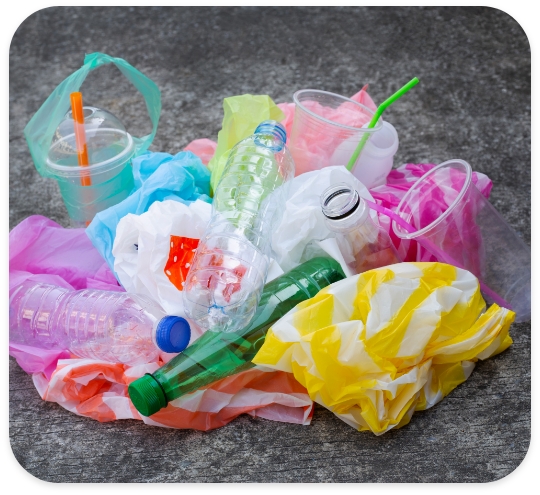
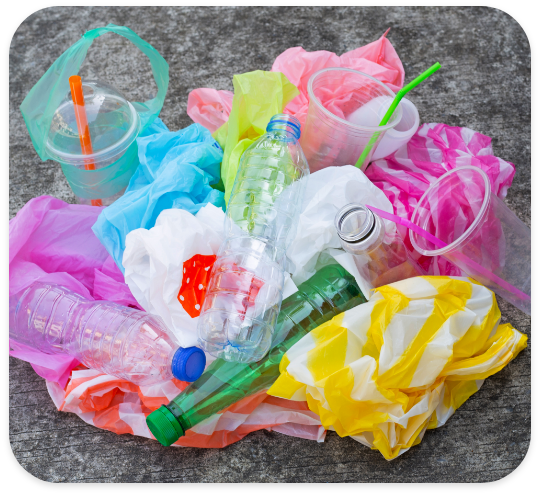
The world is full of unutilized waste, much of which is plastic. We collect it for recycling, but most of it ends up in the incinerator. The plastic that is actually reused often gets a lower-value application, such as being downcycled into items like roadside posts or fleece clothing.
True recycling of plastic into the same application is almost non-existent. This needs to change.
TORWASH®
concepts & future
How plastics pollute the world
Plastic pollution does more than create visible waste. It clogs rivers and forms vast “plastic soups” in our oceans. As it breaks down into microplastics that persist for centuries, it infiltrates ecosystems, our food chain, and ultimately our own bodies.
Biodegradable plastics are the solution
Imagine a world where plastics deliver the same strength and versatility we depend on today yet leave no lasting footprint behind. Biodegradable materials such as PLA and PHA are already making this possible. Under the right conditions, they break down quickly into harmless components without creating persistent microplastics, while their bio-based origins help reduce reliance on fossil fuels and support the fight against climate change. Despite their promise, these materials face a key challenge: they are currently more expensive than conventional plastics because they are derived from resources like sugar and starch, which can also compete with food supply. When biodegradable plastics are simply incinerated or composted after use, their value is lost, keeping costs high and slowing widespread adoption. To unlock their full potential, we must treat them not as disposable materials, but as valuable resources within a smarter, more circular system.
Recycling-by-TORWASH®
With chemical recycling of biodegradable plastics, TORWASH offers the solution: once the chemical building blocks of the biodegradable polymer have been produced, we can reuse them forever by breaking down the polymer chains back into their monomers. After purification, “new (virgin) plastics” can be produced from “old monomers”. We call it Recycling-by-TORWASH®. Due to the special effect of TORWASH® on biodegradable plastics, the monomers can easily be separated in a mixed waste stream from other plastics and contaminants, like additives of food residues. Now is the time to scale up from the lab and apply it to real waste streams.
Designed-for-TORWASH
The unique ability to separate biodegradable plastics in the TORWASH® process can be intentionally used to design packaging or objects that can be treated with the TORWASH® process. By cleverly combining materials and using biodegradable plastic, like PLA, as a frame, you can completely disassemble the entire object in a TORWASH® reactor. PE or PP particles do not dissolve in the process and are therefore easy to remove. The monomer (a lactic acid solution) is rinsed out, and loose parts remain at the bottom of the reactor.
The future
In the fight against microplastics and plastic pollution, we need to address the problem at the source: replacing as many fossil, non-biodegradable plastics as possible with biodegradable plastics that can be recycled for a 100%. The development of Recycling-by-TORWASH® and Designed-for-TORWASH® is the first step towards these types of circular plastics that are safe for the environment. It is possible, but you need to think differently.